What Makes a Dress Expensive
Understanding what makes a dress expensive requires looking beyond appearance alone. In luxury fashion, price is often a reflection of craftsmanship, fabric quality, design complexity, and the level of expertise involved in creating the garment.
An expensive dress is not simply defined by a designer label. The true value of luxury eveningwear lies in precision tailoring, elevated materials, and the meticulous attention to detail that shapes both fit and longevity. These elements combine to create garments that feel refined, timeless, and distinctly elevated.
This guide explores the key factors that contribute to the value of luxury dresses and why premium eveningwear differs significantly from mass-produced fashion.
Luxury Fabrics and Material Quality
One of the most significant factors that makes a dress expensive is the quality of the fabric. Luxury eveningwear relies on premium materials that enhance both structure and movement.
- Pure silk and silk blends
- High-grade satin with refined sheen
- Soft chiffon with fluid drape
- Velvet and specialty textiles
These fabrics not only improve the visual elegance of a dress but also influence comfort, durability, and overall fit.
Explore refined styles crafted with elevated materials in our evening dresses collection.
Craftsmanship and Construction
Luxury dresses are distinguished by the level of craftsmanship involved in their construction. Unlike fast fashion garments, designer eveningwear often requires extensive tailoring and hand-finished details.
- Precision seam placement
- Structured internal construction
- Hand-applied embellishments
- Advanced draping and pattern work
These elements ensure the dress maintains its shape and enhances the silhouette with precision.
Discover elevated craftsmanship within our MNM Couture collection.
Designer Expertise and Original Design
Design expertise plays a major role in the value of luxury eveningwear. Experienced designers understand how proportion, fabric, and structure interact to create refined silhouettes.
Original design development often involves:
- Custom pattern creation
- Multiple fitting adjustments
- Innovative silhouette development
- Careful fabric sourcing
This level of design work contributes to both exclusivity and overall garment quality.
Fit and Tailoring
One of the clearest distinctions between expensive and standard dresses is fit. Luxury gowns are designed to contour and balance the body with precision.
Mermaid silhouettes, for example, require advanced tailoring to achieve a sculpted effect without restricting movement. Explore refined styles in our mermaid gowns collection.
Well-constructed dresses maintain structure while allowing natural movement, creating a polished and effortless appearance.
Detailing and Embellishments
Luxury dresses often feature detailing that is subtle yet highly refined. The difference lies not in excess, but in execution.
- Hand-sewn embroidery
- Refined beadwork and embellishments
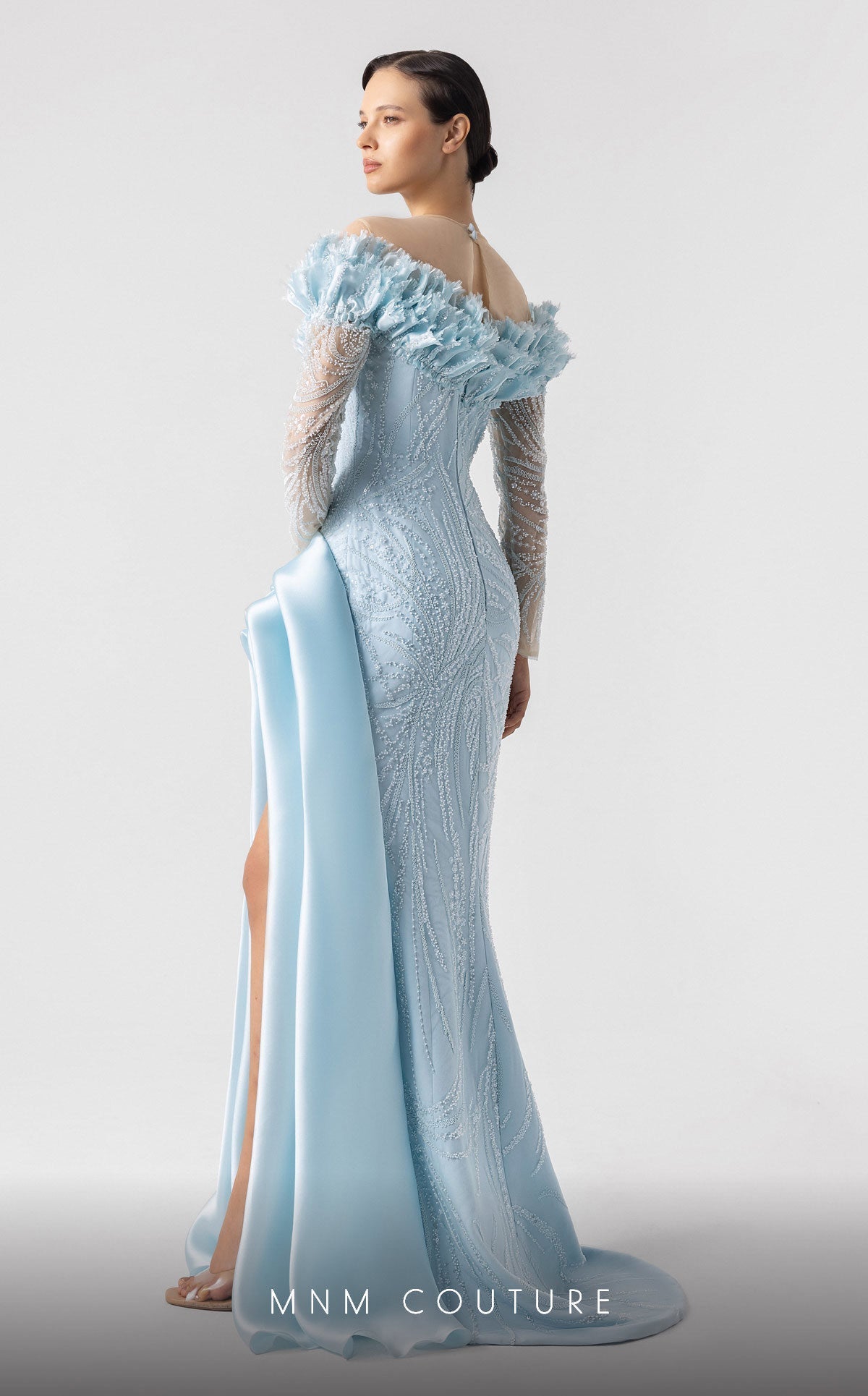
- Layered textures and dimensional fabrics
- Architectural draping and finishing
These details elevate the dress while preserving sophistication and balance.
Longevity and Timeless Appeal
Expensive dresses are often designed with longevity in mind. Rather than focusing solely on trends, luxury eveningwear prioritizes timeless silhouettes and enduring quality.
- Classic design with modern refinement
- Durable construction techniques
- High-quality materials that age well
- Versatility across multiple formal occasions
This long-term value is one reason designer dresses are viewed as investments rather than seasonal purchases.
FAQ: What Makes a Dress Expensive
Why are designer dresses more expensive?
Designer dresses involve premium fabrics, advanced tailoring, original design development, and elevated craftsmanship.
Does fabric quality affect dress pricing?
Yes, luxury fabrics such as silk, satin, and chiffon significantly increase both production cost and garment quality.
Are expensive dresses worth the investment?
Luxury dresses often offer better fit, durability, and timeless appeal, making them more valuable over time.
What is the difference between luxury and fast fashion dresses?
Luxury dresses prioritize craftsmanship, materials, and longevity, while fast fashion focuses on rapid production and trend cycles.