
How Couture Dresses Are Made
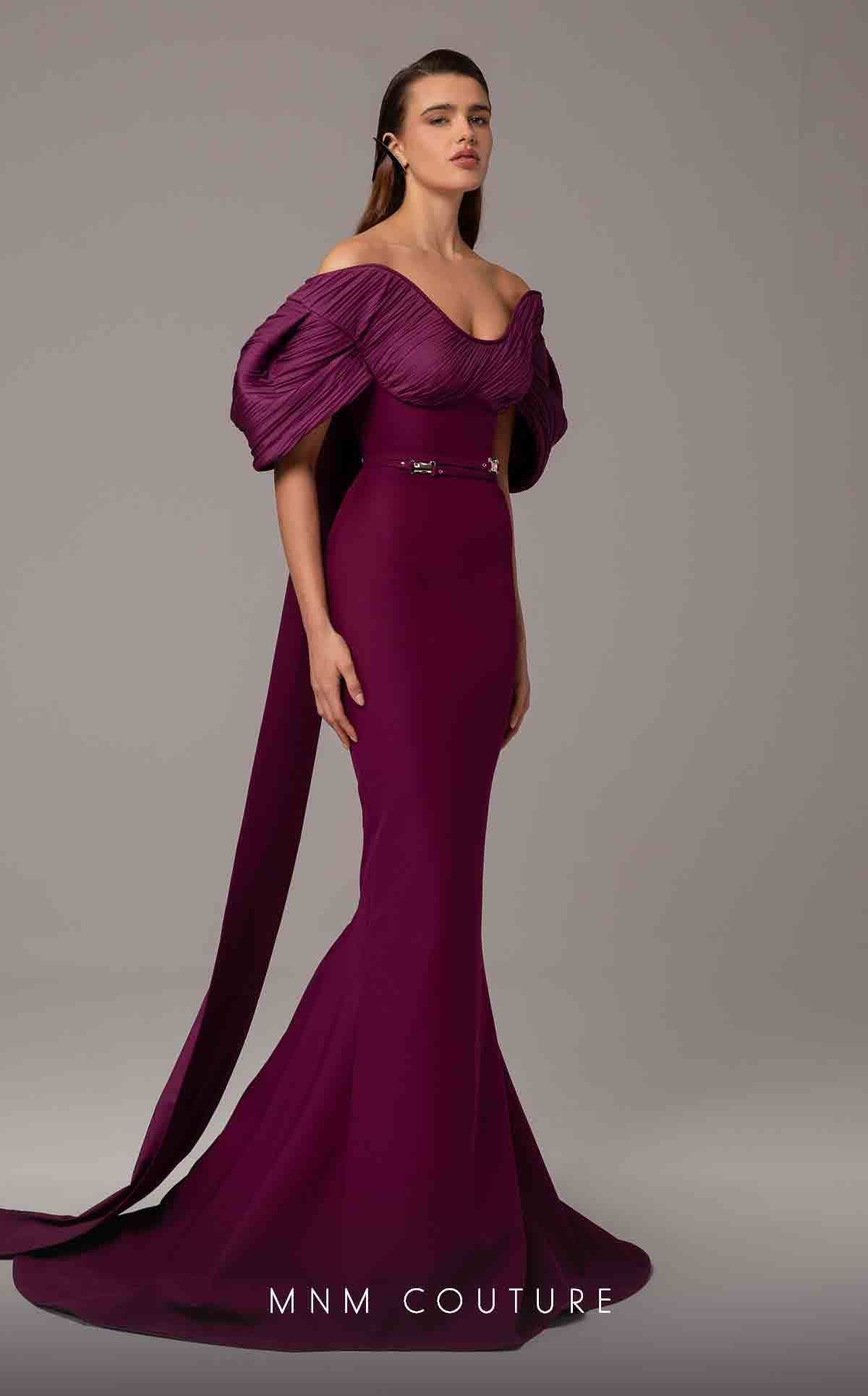
Understanding how couture dresses are made reveals the extraordinary level of craftsmanship behind luxury fashion. Unlike mass-produced garments, couture eveningwear is created through a meticulous process that prioritizes precision, artistry, and refined construction.
Every couture gown begins with design development and evolves through fabric selection, pattern creation, tailoring, and hand-finished detailing. The result is a dress that is not only visually striking but also engineered to achieve exceptional fit and movement.
This guide explores the couture process in detail, highlighting the artistry and expertise that define luxury eveningwear.
The Design Concept and Sketching Process
Every couture dress begins with a design concept. Designers develop silhouettes that balance elegance, structure, and movement while aligning with the intended occasion.
- Initial sketches and mood development
- Fabric and texture planning
- Silhouette refinement
- Construction strategy and detailing
The sketch phase establishes the visual identity of the gown before any fabric is cut.
Explore refined luxury silhouettes in our MNM Couture collection.
Selecting Luxury Fabrics
Fabric selection is one of the most important stages in couture dressmaking. The material influences structure, movement, and the overall character of the design.
- Silk and satin for smooth structure
- Chiffon for fluid movement
- Velvet for depth and texture
- Organza and tulle for volume
Luxury fabrics are carefully sourced to ensure consistency, quality, and visual elegance.
Discover elevated formal styles in our evening dresses collection.
Pattern Making and Draping
Once the design is finalized, couture dressmaking moves into pattern development and draping. This process determines how the gown will fit and contour the body.
- Custom pattern drafting
- Fabric draping directly on dress forms
- Adjustments for proportion and balance
- Structural planning for movement and support
Unlike standard manufacturing, couture patterns are refined repeatedly to achieve precision.
Hand Construction and Tailoring
One of the defining elements of couture fashion is the extensive use of hand craftsmanship. Many couture gowns are assembled through detailed hand-finishing techniques.
- Hand-sewn seams and finishes
- Internal corsetry and structure
- Precision tailoring for sculpted silhouettes
- Layered construction for balance and comfort
Mermaid gowns, for example, require advanced tailoring to maintain a fitted shape while allowing movement. Explore elegant designs in our mermaid gowns collection.
Embellishment and Couture Detailing
Couture detailing is often completed entirely by hand. Embellishments are carefully placed to enhance the silhouette without overwhelming the design.
- Hand-applied embroidery
- Beadwork and crystal embellishments
- Layered textures and appliqué
- Architectural draping and finishing
The emphasis is always on refinement and precision rather than excess.
Final Fittings and Finishing Touches
Before completion, couture dresses undergo multiple fittings to ensure flawless proportion and comfort.
- Adjustments to fit and silhouette
- Refinement of hems and seams
- Movement testing for comfort
- Final inspection and finishing
This stage ensures the gown feels effortless while maintaining its structural integrity.
Why Couture Dresses Are Considered Luxury
Couture fashion represents the highest level of garment craftsmanship. The combination of design expertise, hand construction, and premium materials creates dresses that are both visually exceptional and enduring in quality.
- Superior tailoring and structure
- Luxury fabric sourcing
- Hand-finished craftsmanship
- Timeless design with modern refinement
These elements distinguish couture eveningwear from standard formal fashion.
FAQ: How Couture Dresses Are Made
What makes a dress couture?
Couture dresses are created using advanced craftsmanship, luxury fabrics, and extensive hand-finishing techniques.
Are couture dresses handmade?
Many aspects of couture dresses, including tailoring and embellishment, are completed by hand.
Why do couture dresses cost more?
The cost reflects premium materials, skilled labor, intricate detailing, and the time-intensive construction process.
How long does it take to make a couture dress?
Depending on complexity, a couture gown can take weeks or even months to complete.