How to Style Formal Dresses
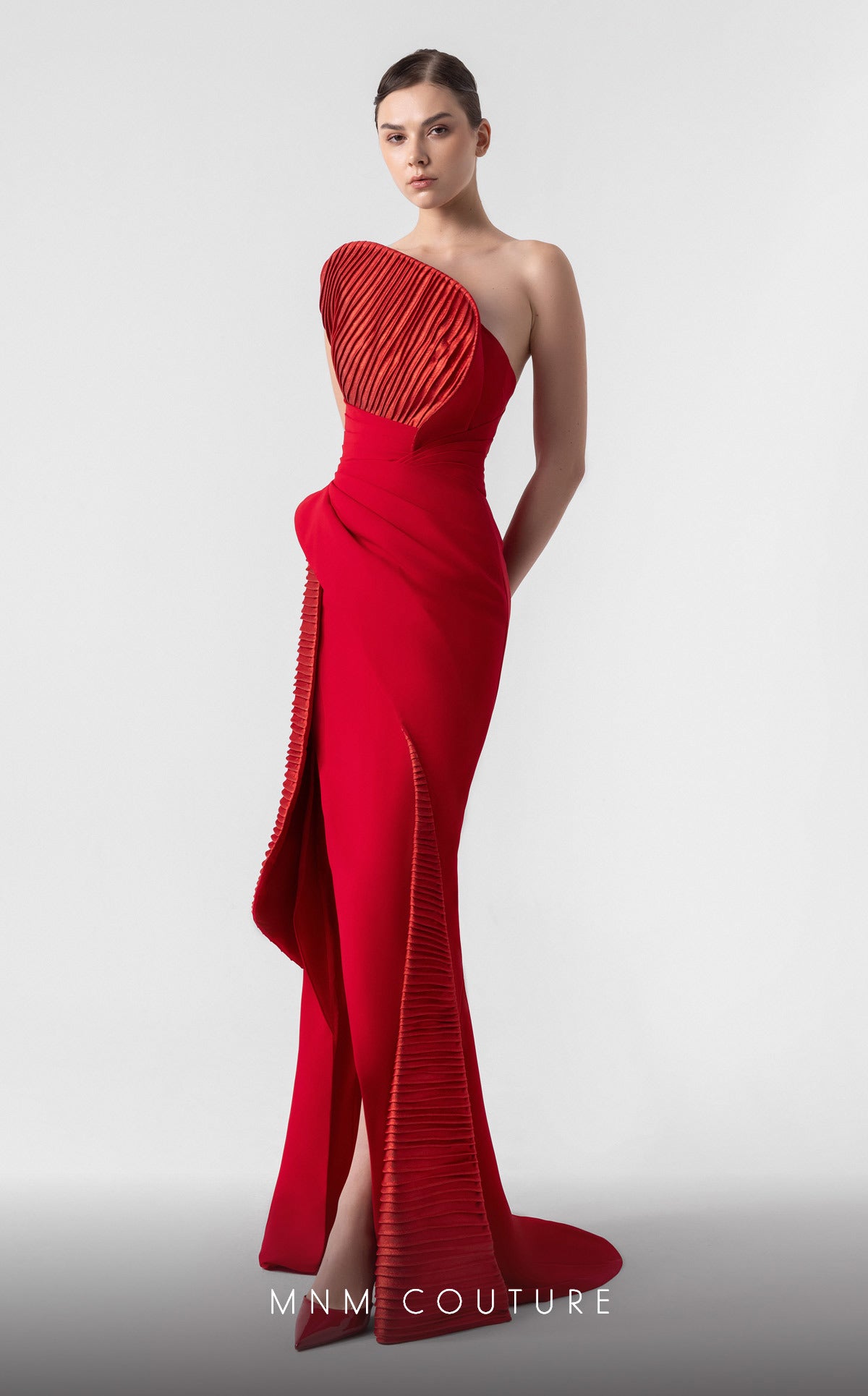
Understanding how to style formal dresses is essential to achieving a truly polished and elevated look. In luxury eveningwear, the dress is only the foundation—what defines the final impression is how each element is styled with precision and restraint.
From accessories to footwear, every detail should work in harmony with the silhouette, fabric, and tone of the dress. Whether preparing for a gala, formal dinner, or black tie event, refined styling ensures that your look feels intentional rather than assembled.
This guide explores how to style formal dresses with a focus on balance, proportion, and modern elegance.
Start with the Dress Silhouette
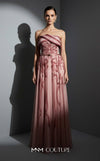
The way you style a formal dress begins with understanding its structure. A sculpted gown requires a different approach than a fluid or minimal silhouette.
- Structured gowns: Keep accessories minimal to maintain focus
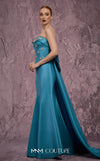
- Flowing dresses: Allow for slightly more expressive styling
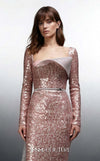
- Detailed designs: Avoid over-layering with accessories
Explore refined silhouettes in our evening dresses collection, designed for elegant occasions.
Choosing the Right Jewelry
Jewelry should complement the neckline and detailing of the dress without overwhelming it. The goal is enhancement, not distraction.
- Pair statement earrings with simpler necklines
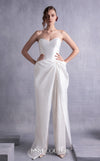
- Choose delicate necklaces for strapless or open designs
- Limit bold pieces to one focal point
- Coordinate metals with the dress tone
For sculpted silhouettes, such as those found in our mermaid gowns, refined jewelry enhances the overall structure.
Selecting the Perfect Shoes
Shoes should align with both the length and style of the dress. They play a subtle but essential role in maintaining proportion.
- Heels elongate the silhouette, especially with long gowns
- Neutral tones create continuity and balance
- Metallic finishes add subtle interest without overpowering
- Avoid overly casual footwear in formal settings
For shorter styles, explore options within our short dresses collection, where footwear becomes more visible and impactful.
Balancing Accessories and Details
One of the most important aspects of styling formal dresses is knowing when to stop. Over-accessorizing can disrupt the elegance of even the most refined gown.
- Choose one statement element (earrings, clutch, or shoes)
- Keep additional accessories understated
- Ensure all elements align in tone and finish
A cohesive approach ensures the look feels curated rather than excessive.
Hair and Makeup Considerations
Hair and makeup should reflect the tone of the dress and the occasion. The objective is to enhance natural features while maintaining balance.
- Structured gowns pair well with sleek hairstyles
- Soft, flowing dresses complement relaxed waves or updos
- Bold dresses often require more neutral makeup
- Minimal designs allow for slightly more expressive beauty looks
The overall result should feel harmonious, with no single element overpowering the others.
Adapting Styling for Different Occasions
Styling should also reflect the formality of the event. The same dress can be styled differently depending on the setting.
- Black tie events: Classic, minimal, and refined styling
- Gala evenings: Slightly more statement elements
- Formal dinners: Understated and polished details
- Evening parties: Modern and slightly expressive styling
Understanding the context ensures your look remains appropriate while still reflecting personal style.
FAQ: How to Style Formal Dresses
What accessories should I wear with a formal dress?
Choose accessories that complement the dress, focusing on balance. Typically, one statement piece paired with minimal accents works best.
Can I wear bold jewelry with a formal dress?
Yes, but it should be limited to one focal point to avoid overwhelming the overall look.
What shoes are best for formal dresses?
Heels in neutral or metallic tones are the most versatile and elegant choice for formal occasions.
How do I avoid over-accessorizing?
Focus on restraint—if one element stands out, keep the rest minimal and cohesive.