How Formal Dresses Should Fit: Complete Evening Gown Guide
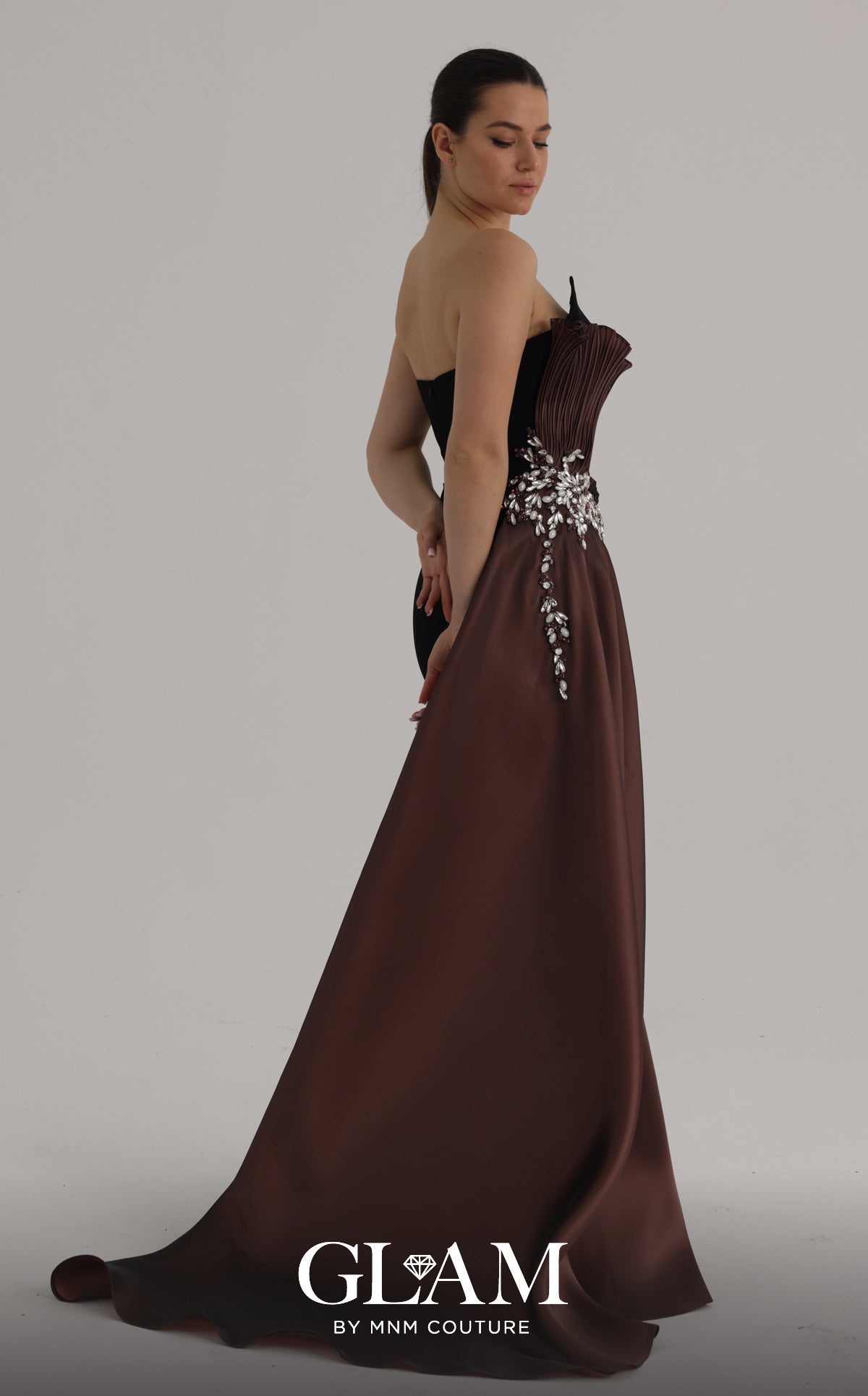
How formal dresses should fit depends on the silhouette, structure, fabric, and occasion, but every elegant evening gown should feel balanced, secure, and comfortable to wear throughout the event. A properly fitted formal dress should enhance the body’s natural proportions without excessive tightness, pulling, slipping, or restriction.
At Couture Shop LA, we help clients choose evening gowns that combine refined fit with luxury styling. This guide explains how formal dresses should fit through the bust, waist, hips, hem, and bodice so you can shop for formalwear with more confidence.
Why Fit Matters in Formal Dresses
Formalwear is designed differently from casual clothing. Evening gowns often include structured bodices, defined waistlines, internal support, corsetry, or sculpted silhouettes that rely on proper fit to create the intended shape.
A well-fitted formal dress can:
- Create a more balanced silhouette.
- Improve posture and support.
- Enhance movement and comfort.
- Look more polished in photographs.
- Reduce the need for major alterations.
Choosing the correct fit is especially important for evening dresses, mermaid gowns, and heavily structured formalwear.
How the Bust Area Should Fit
The bust area is one of the most important fit points in a formal gown. The bodice should feel secure and supportive without excessive compression or gaping.
A properly fitted bust should:
- Stay in place while walking and moving.
- Lie smoothly against the body.
- Support the neckline correctly.
- Avoid visible pulling or wrinkling.
- Feel structured but still comfortable.
For strapless gowns and corset-inspired silhouettes, bust fit becomes even more important because the upper structure holds much of the gown in place.
If the neckline shifts, gaps, or slides downward, the fit may be too large or the bodice structure may not match your proportions.
How the Waist Should Fit
The waist is often the defining fit point in formal dresses. In many evening gowns, especially structured silhouettes, the waist creates the visual shape of the gown.
A properly fitted waist should:
- Sit at the natural waistline.
- Feel secure without digging in excessively.
- Create clean shaping without tension.
- Allow comfortable breathing and sitting.
- Stay smooth without bunching.
Highly structured gowns may fit closer through the waist than casual dresses. However, the dress should still allow natural movement throughout the event.
For more sizing help, visit our MNM Couture Fit Guide.
How the Hips Should Fit
Hip fit depends heavily on silhouette.
In an A-line dress, the hips usually have more ease because the skirt flows away from the body.
In a mermaid gown, the hips become a primary fit point because the silhouette follows the body more closely.
A properly fitted hip area should:
- Allow comfortable walking and sitting.
- Avoid horizontal pulling lines.
- Maintain smooth fabric drape.
- Feel fitted without excessive restriction.
- Preserve the intended silhouette shape.
If the fabric pulls tightly across the hips or movement feels restricted, the gown may be too small through that area.
How Formal Dress Length Should Fit
Formal dresses are often intentionally designed longer than standard dresses because they are meant to be worn with heels and formal styling.
The correct hem length depends on:
- Shoe height.
- Dress silhouette.
- Event type.
- Train length.
- Personal comfort.
In most cases, a full-length gown should lightly skim the floor without creating excessive bunching at the front.
A gown that is too long may interfere with walking, while a gown that is too short may lose visual elegance.
Petite clients often require hemming adjustments for formal gowns. Learn more in our guide to best dresses for petite women.
How a Structured Bodice Should Feel
Structured bodices are common in luxury formalwear because they help shape the silhouette and support the gown.
Many structured gowns include:
- Boning.
- Corset construction.
- Molded cups.
- Reinforced waist seams.
- Internal support layers.
A structured bodice should feel secure and sculpted, but not painfully restrictive.
Signs of proper bodice fit include:
- The gown stays in place naturally.
- The neckline remains stable.
- The waistline aligns correctly.
- The dress supports posture comfortably.
- You can move without constant adjustment.
For more silhouette comparisons, read our A-Line vs Mermaid Dresses guide.
How Formal Dresses Should Fit When Sitting and Walking
A formal dress may look beautiful while standing still but still fit incorrectly during movement.
Before finalizing alterations or choosing a size, always test:
- Walking comfortably.
- Sitting naturally.
- Raising your arms slightly.
- Turning and pivoting.
- Getting in and out of chairs.
A properly fitted formal gown should remain elegant and secure during normal event movement.
Should Formal Dresses Feel Tight?
Formal dresses often fit closer to the body than casual clothing, especially in structured eveningwear. However, “fitted” should not mean painful or restrictive.
A gown may feel more sculpted through the waist or bodice while still allowing:
- Comfortable breathing.
- Natural posture.
- Reasonable movement.
- Secure support.
- Confidence throughout the event.
If the dress causes discomfort after only a few minutes, the size or silhouette may not be ideal.
How Different Silhouettes Fit
A-Line Dresses
A-line dresses are fitted at the top and gradually widen from the waist downward. They usually offer more ease through the hips and thighs while maintaining elegant structure.
Explore our A-line dresses for timeless formal silhouettes.
Mermaid Gowns
Mermaid gowns fit closely through the torso and hips before flaring lower on the skirt. Proper hip and thigh fit becomes especially important in these silhouettes.
Browse our mermaid gowns for sculpted formalwear styles.
Ball Gowns
Ball gowns often focus fit through the bodice and waist while allowing dramatic volume through the skirt.
View our ball gowns for formal dresses with structured elegance.
Common Formal Dress Fit Mistakes
Choosing Size Based Only on Labels
Formalwear sizing varies significantly depending on the designer, silhouette, and structure.
Always compare your measurements to the exact product size chart.
Ignoring Structure and Fabric
Structured satin, corsetry, embellishment, and boning can affect how closely a gown fits.
Different fabrics may have very different flexibility levels.
Overlooking Movement
A dress should not only look good while standing. It should also allow comfortable movement during the event.
Incorrect Hem Length
Hem length should always be checked with the shoes planned for the event.
How Alterations Improve Formal Dress Fit
Alterations are common in formalwear and can significantly improve the final appearance of a gown.
Common formal dress alterations include:
- Hem adjustments.
- Waist refinement.
- Bust shaping.
- Strap adjustments.
- Minor silhouette refinements.
In most cases, taking a gown in slightly is easier than letting it out, especially in structured dresses.
Learn more in our upcoming guide to evening dress alterations.
How Formal Dresses Should Fit for Different Body Types
Different silhouettes work differently across body shapes and proportions.
- A-line dresses often create balance and softness.
- Mermaid gowns highlight curves and structure.
- Column dresses elongate the frame.
- Ball gowns emphasize the waist and upper body.
The best fit depends on body shape, comfort preference, and event styling goals.
For more guidance, read our Best Dresses for Your Body Type guide.
Related Dress Guides
- MNM Couture Fit Guide
- A-Line vs Mermaid Dresses
- Best Dresses for Your Body Type
- Best Fabrics for Evening Dresses
- How to Choose the Perfect Evening Dress
Explore Formal Dress Collections
FAQ: How Formal Dresses Should Fit
How tight should a formal dress be?
A formal dress should feel fitted and secure without causing discomfort, pulling, or restricted movement.
Should formal dresses touch the floor?
Most full-length formal dresses should lightly skim the floor while worn with heels.
How should a formal dress fit at the waist?
The waist should sit naturally and create shape without excessive tightness or bunching.
How should a strapless formal dress fit?
A strapless gown should stay in place securely without slipping or requiring constant adjustment.
Are alterations normal for formal dresses?
Yes. Alterations are very common in eveningwear and help create a more polished fit.
How should a mermaid gown fit?
A mermaid gown should fit closely through the torso and hips while still allowing comfortable movement.
What is the most important fit area in a formal gown?
The most important fit area is usually the most structured part of the gown, often the bust or waist.
Choosing the Right Formal Dress Fit With Confidence
Understanding how formal dresses should fit makes it easier to choose silhouettes that feel elegant, comfortable, and appropriate for the event. The best evening gown should support movement, enhance proportions, and create a polished silhouette without excessive restriction.
Whether you prefer an A-line dress, mermaid gown, ball gown, or another formal silhouette, proper fit remains one of the most important elements of luxury eveningwear styling.